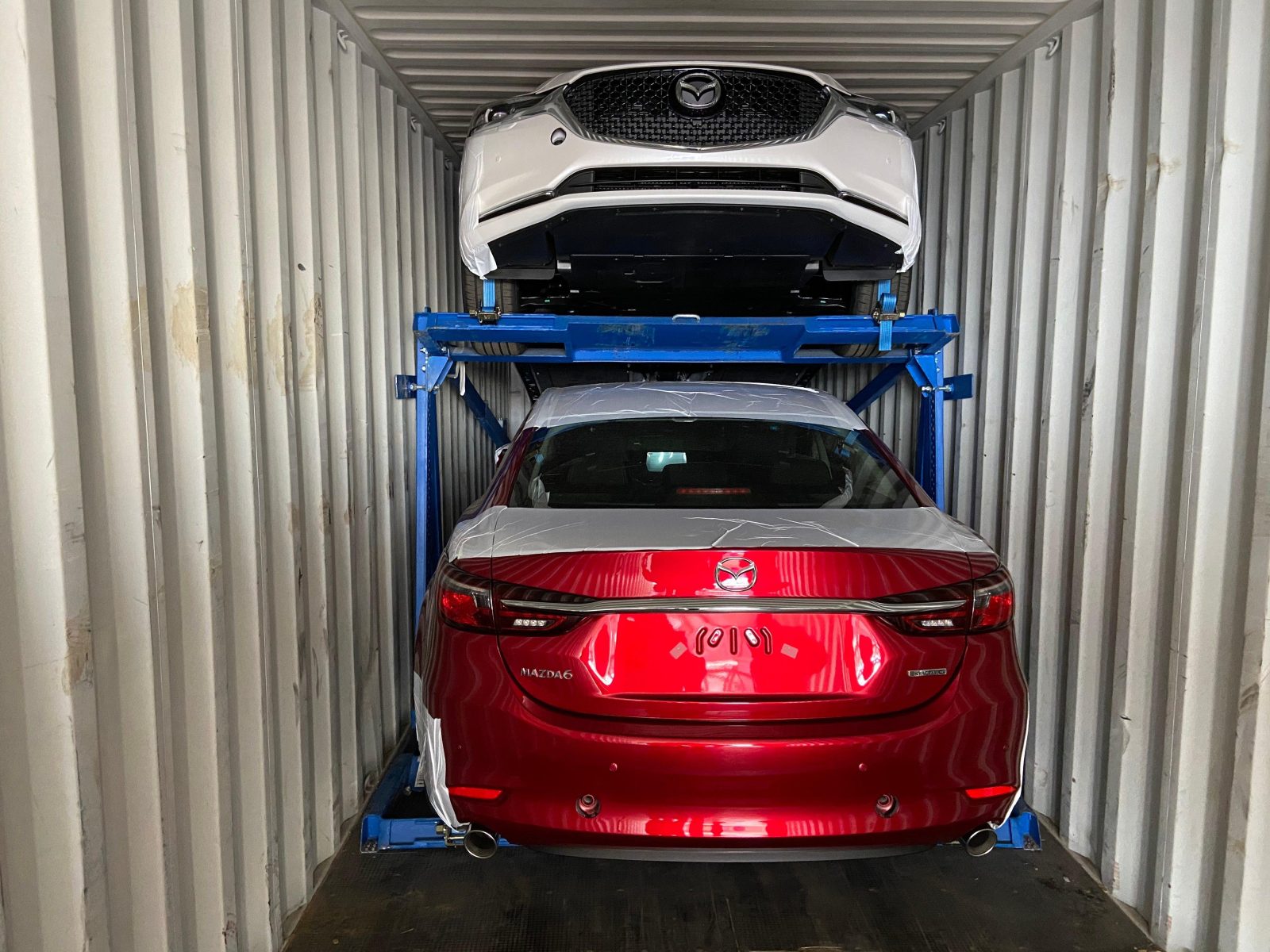
Port and customs statistics can help vehicle importers understand the scale and transport options of China’s automobile export market. They should be read with a specific reporting period and scope. The figures below concern January–August 2025; they are historical industry data and do not describe PortAuto’s sales or shipments.
Taicang Port: January–August 2025
A September 17, 2025 report published by Suzhou’s Development and Reform Commission states that Taicang Port exported 513,000 vehicles in January–August 2025, up 64.3% year on year. Its figures for one terminal’s vehicle handling are a different measure and should not be added to the whole-port export total.
Khorgos: January–August 2025
The Ili prefecture government portal’s September 19, 2025 report quotes Khorgos Customs: the land port exported 258,000 vehicles in January–August 2025, an increase of 8.5%. It reported 102,000 electric vehicles, up 45.2%.
These figures describe aggregate activity through the port. They do not guarantee capacity, processing time or delivery timing for an individual consignment.
Comparing Taicang, Khorgos and Ningbo routes
For an order considering Taicang, Khorgos or Ningbo, compare the actual collection location, destination, available transport service and handover requirements. Use matching reporting periods and definitions when adding another port’s volume to a market comparison.
How importers can use port information
- Compare like with like: distinguish a port from a terminal, exports from total handling, vehicles from electric vehicles, and an eight-month period from three quarters.
- Choose a route for the order: collection location, vehicle type, destination and available transport services matter more than the largest headline volume.
- Obtain current arrangements: ask the logistics provider for the intended route, handover point, schedule estimate and excluded costs.
- Check the documents: align vehicle identity, exporter, inspection and destination requirements before dispatch.
- Plan for exceptions: agree on communication and responsibilities if a document, vehicle or transport booking changes.
What the statistics cannot establish
Port growth is not proof of a supplier’s stock, licence, financial strength or completed deliveries. Similarly, a reported improvement in overall border-processing time is not a guaranteed clearance time for a new shipment.
Discuss a vehicle sourcing route
Provide PortAuto with the model, quantity, collection preferences and destination. Request a proposal identifying the transport route, named handover point, documentation tasks and responsible parties for your shipment.
Sources
- From the Yangtze port to a hub of German enterprises
- Khorgos automobile exports rose 8.5% in January–August 2025
Sources checked on September 15, 2026.
Send your vehicle, destination and quantity requirements to PortAuto.