
Export Process & Compliance Coordination
A clear export process, from sourcing brief to delivery handover.
PortAuto coordinates sourcing, verification, project documentation, export handover and shipping milestones around the confirmed vehicle, destination and trade scope.
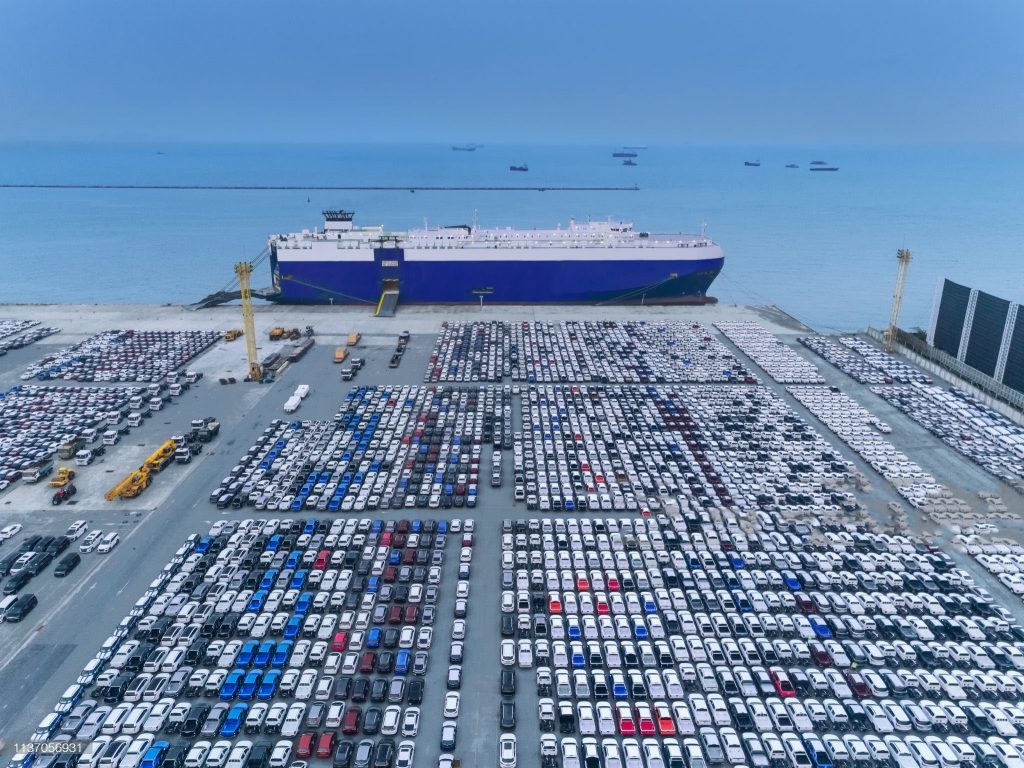
From requirement to delivery handover
Five coordinated stages
Each stage has a defined input, a visible decision and an agreed responsibility boundary before the project moves forward.
01 Requirement brief
Confirm the buyer, destination market, vehicle, condition, quantity, preferred timing and known delivery requirements.
02 Sourcing & quotation
Review workable supply directions, commercial assumptions, inclusions, exclusions and quotation validity.
03 Vehicle verification
Collect the agreed supplier, vehicle, configuration, identifier, condition and visual evidence before commitment.
04 Documents & export handover
Coordinate the project checklist, available commercial and vehicle records, and export-side handover items.
05 Shipping coordination
Track carrier milestones and available transport records through the agreed delivery or destination handover point.

Verify the agreed vehicle before the next commitment.
Verification is scoped to the quoted vehicle and project. The buyer and PortAuto agree what must be checked, what evidence is required and which open points need a decision before payment, shipment or another commercial milestone.
Identity & specification
Review the available vehicle identifiers, model year, trim, powertrain, condition status and agreed configuration points.
Condition & visual evidence
Collect the agreed photos, video, condition records or third-party inspection output when included in the project scope.
Exceptions & buyer approval
Record material differences, missing evidence and open assumptions for buyer review before the next commitment point.
EXW · FCA · FOB · CIF
Trade terms define the handover point.
The named place or port is as important as the three-letter rule. The current quotation identifies who arranges pickup, export clearance, the main carriage, cargo insurance and destination handling.
EXW — Ex Works
The vehicle is made available at the named location. The buyer normally arranges loading, export formalities and onward transport. For cross-border projects, FCA may provide a more workable export handover.
FCA — Free Carrier
The seller delivers the vehicle to the buyer-nominated carrier at the named place and normally completes export clearance. Risk transfers at that agreed delivery point.
FOB — Free On Board
For sea or inland-waterway shipment, the seller delivers the vehicle on board at the named port of shipment. The buyer arranges the main carriage, and risk transfers on board.
CIF — Cost, Insurance and Freight
For sea or inland-waterway shipment, the seller arranges freight and minimum cargo insurance to the named destination port. Risk still transfers on board at the port of shipment.
The quotation and contract should state the exact named place or port and “Incoterms® 2020”. Vehicle, route, carrier, insurance, customs and destination requirements remain project-specific.
Project-specific document control
Documents organized by milestone
The checklist follows the confirmed vehicle, route, destination and responsibility scope. A document is not presented as universally available or sufficient for every market.
Before quotation
Buyer profile, destination, vehicle requirement, quantity, timing, preferred trade term and known destination-side inputs.
Before shipment
Agreed vehicle evidence, available commercial and vehicle records, export-side checklist and carrier information required by the confirmed scope.
At handover
Available transport records, shipment documents, destination inputs and any remaining buyer or third-party responsibility items.
Responsibility matrix
Who provides, coordinates and performs
The quotation and project checklist should make each responsibility visible rather than treating “export service” as one undefined promise.
Buyer provides
Destination requirements, buyer and importer information, required approvals, commercial decisions and buyer-side customs or tax inputs.
PortAuto coordinates
The confirmed sourcing scope, agreed evidence, export-side document checklist, communication and handovers included in the quotation.
Third parties perform
Carrier, terminal, inspection, insurance or destination services assigned to the appointed provider and outside any unquoted PortAuto responsibility.
Trade term & compliance decisions
Common questions before shipment
These answers describe normal Incoterms® 2020 responsibility patterns. The named place or port and the signed project agreement control the actual transaction.
What must be named with an Incoterms rule?
State the exact named place or port and the agreed rules version, for example “FCA named place, Incoterms® 2020”. The three-letter rule alone does not define a complete handover.
Who handles export and import clearance?
Under EXW, the buyer normally takes responsibility for export formalities. Under FCA, FOB and CIF, the seller normally completes export clearance. Import clearance, duties and destination requirements normally remain buyer-side unless the contract expressly states otherwise.
Does CIF keep shipment risk with the seller until the destination port?
No. Under CIF, the seller arranges sea freight and minimum cargo insurance to the named destination port, but risk transfers when the goods are on board at the port of shipment.
Which trade term fits a vehicle export project?
It depends on who should control pickup, export clearance, the main sea carriage, cargo insurance and destination handling. PortAuto confirms the workable handover and responsibility boundary in the current quotation and contract.
Confirm the vehicle, destination and preferred trade term.
Share the vehicle scope, destination, quantity, timing and whether you are considering EXW, FCA, FOB or CIF. Open documentation and responsibility points can then be confirmed in context.